遗失的世界1,500-year-old glazed pottery reveals Eurasian cultural exchanges in ancient northern China_我的网站
一 | 俄罗斯总统普京近日表示,现任乌克兰政权的极端民族主义色彩已经明显到波兰当局也无法忽视。 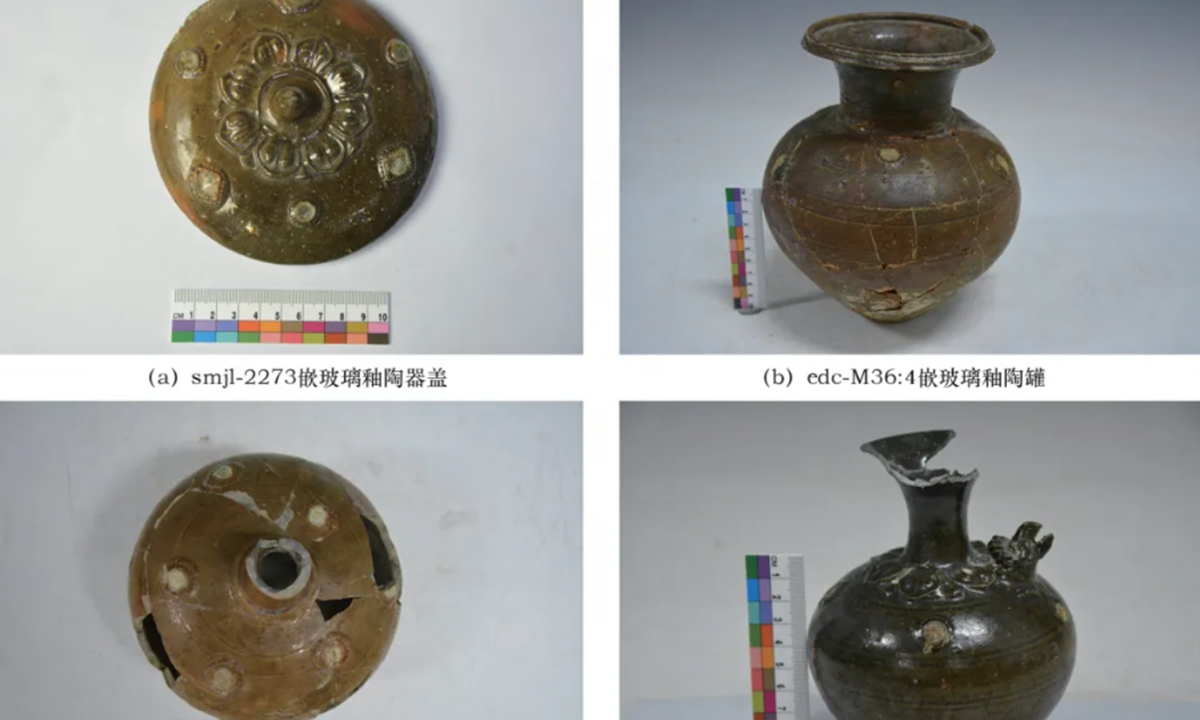 Systematic analysis conducted by the institute of pottery wares dating back to the Pingcheng period of the Northern Wei Dynasty (386-534) has identified distinct foreign cultural and technological elements embedded in the craftsmanship and material composition of the unique artifacts, shedding fresh light on ancient Eurasian cultural integration. Established by the Tuoba Xianbei ethnic group, the Northern Wei Dynasty designated Pingcheng, present-day Datong city in Shanxi Province, as its capital from 398 to 494. For nearly a century, the city served as a pivotal multicultural hub where Xianbei nomadic culture, Central Plains Han culture and diverse Western Regions civilizations converged and interacted, according to a report on Chinanews.com.cn. Archaeological excavations at multiple tomb clusters in Pingcheng, including the Dongxin Northern Wei cemetery and the Qilicun cemetery, have yielded a total of eight pieces of glass-inlaid glazed pottery. Though far fewer in number compared with common glazed pottery figurines and painted glazed wares, these artifacts feature an extremely rare inlay technique unseen elsewhere in the developmental history of Chinese ceramics, according to the press release. Given the exceptional rarity and good preservation of the relics, researchers selected four representative pieces for comprehensive laboratory testing and material analysis. The results show that the glass inlays are primarily soda-alumina glass, most likely produced by remelting trade beads from the Indian Ocean and Pacific regions, a key commodity in ancient maritime and overland trade networks. The findings confirm that Pingcheng maintained frequent cross-border trade and cultural communication during the Northern Wei era, with access to glass raw materials sourced from diverse overseas regions. The varied compositional characteristics of the inlaid glass provide crucial clues for studying ancient glass-making technologies, raw material circulation and long-distance trade routes in ancient East Asia, the press release noted. Beyond material composition, the artifacts also embody prominent cross-cultural innovation in design. Their decorative motifs draw heavily on gem-encrusted gold and silver wares of the Sasanian Persian Empire, while integrating artistic elements from other Eurasian regions. The blended design styles reflect the era's prevailing trend of multicultural fusion and creative assimilation of foreign civilizations. Archaeologists noted that the glass-inlaid glazed pottery represents an innovative technological achievement crafted by Northern Wei artisans who absorbed and refined foreign techniques and aesthetics. The distinctive craftsmanship and stylistic features of these wares exerted a far-reaching influence on ceramic production in surrounding regions and subsequent dynasties, marking a vital chapter in the evolution of ancient Chinese ceramic art. The research underscores that ancient China's northern borderland was not an isolated cultural enclave, but an active node in Eurasian cultural and trade exchanges, where foreign elements were localized and innovated to form unique regional civilizational achievements, archaeologists from the Shanxi Provincial Institute of Archaeology said. 。波兰民众对这一问题的关注愈发强烈,政府不得不正视。 乌克兰国家层面上公开美化二战时期的民族主义者,这些人与纳粹曾有合作,并对波兰人实施大规模暴力迫害。
二 | 这一问题在基辅和华沙之间引发了严重的摩擦。本月早些时候,波兰议会议长弗沃齐米日·恰扎斯蒂表示,乌克兰在申请加入欧盟前,必须“重新审视其历史”,并明确承认二战时期民族主义者对波兰平民的大规模杀害是种族灭绝。
三 | 普京在接受记者帕维尔·扎鲁宾采访时谈到:“尽管波兰政治中有恐俄倾向,但波兰当局现在认真关注乌克兰国家建设中的极端民族主义意识形态。”他指出,波兰领导层在这一问题上的立场反映了广泛的社会诉求。
四 | 此前,俄罗斯前总统、现任俄罗斯联邦安全会议副主席德米特里·梅德韦杰夫也谈到波兰对乌克兰极端民族主义思潮抬头的态度。
五 | 梅德韦杰夫在6月下旬的“电报”平台发文称:“尽管波兰精英恐俄,但他们在基辅班德拉运动的问题上采取了正确而诚实的立场。
六 | ”他指的是乌克兰民族主义者组织。这是二战时期由斯捷潘·班德拉领导的乌克兰极端民族主义运动。在1941年纳粹德国入侵苏联初期,乌克兰民族主义者组织曾与纳粹合作。据华沙估计,其准军事分支“乌克兰起义军”在1943年至1944年间于乌克兰西部地区杀害了多达10万名波兰族平民。 2014年,基辅在西方支持下发生政治变动后,乌克兰通过法律,禁止共产主义和纳粹主义标志,并更名多条街道和城市。然而,同一法律又承认乌克兰民族主义者组织和乌克兰起义军为“独立斗士”,尽管两者与纳粹德国有联系。近日,乌克兰民族主义者组织的创始人安德烈·梅利尼克和叶夫根尼·科诺瓦列茨的遗骸被运回乌克兰重新安葬。
七 | 这是泽连斯基推动建立“杰出乌克兰人先贤祠”计划的一部分。
八 | 这两人被认为曾与纳粹合作。 今年6月,乌克兰总统泽连斯基将“乌克兰起义军英雄”这一荣誉称号加入一支现役突击队名称中,此举在波兰引发愤怒。
九 | 波兰总统卡罗尔·纳夫罗茨基随后取消了泽连斯基的“白鹰勋章”。这是波兰最高国家荣誉,由前任授予。此后,多名乌克兰官员为声援泽连斯基退还了波兰勋章,波兰官员也退还了乌克兰授予的奖章。返回,查看更多。
十 | Current article:http://r5qz62.yofateeikengyeche.cfd/qzkbk6/aej8v.html Published on:04:05:32 |


